August 24, 2026
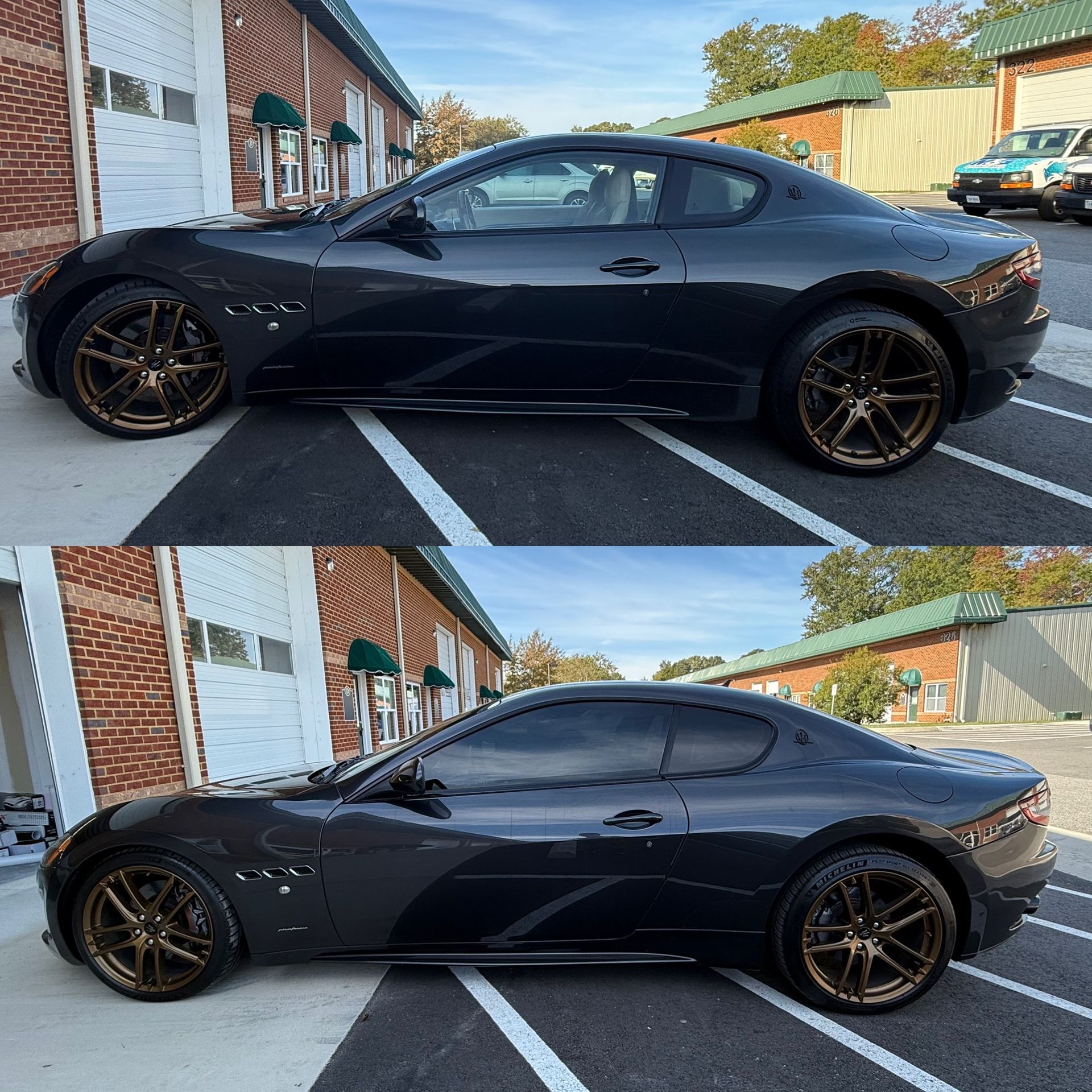
Postponing window operation and chemical cleaning immediately after receiving professional tinting is essential for preserving film adherence and aesthetic clarity. Freshly applied film requires a dedicated curing window to ensure its pressure-sensitive adhesives bond securely to glass surfaces. Adhering to essential post-installation guidelines prevents costly peeling, bubbling, and premature film distortion.
Understanding Curing Timelines
Evaluating Moisture Evaporation
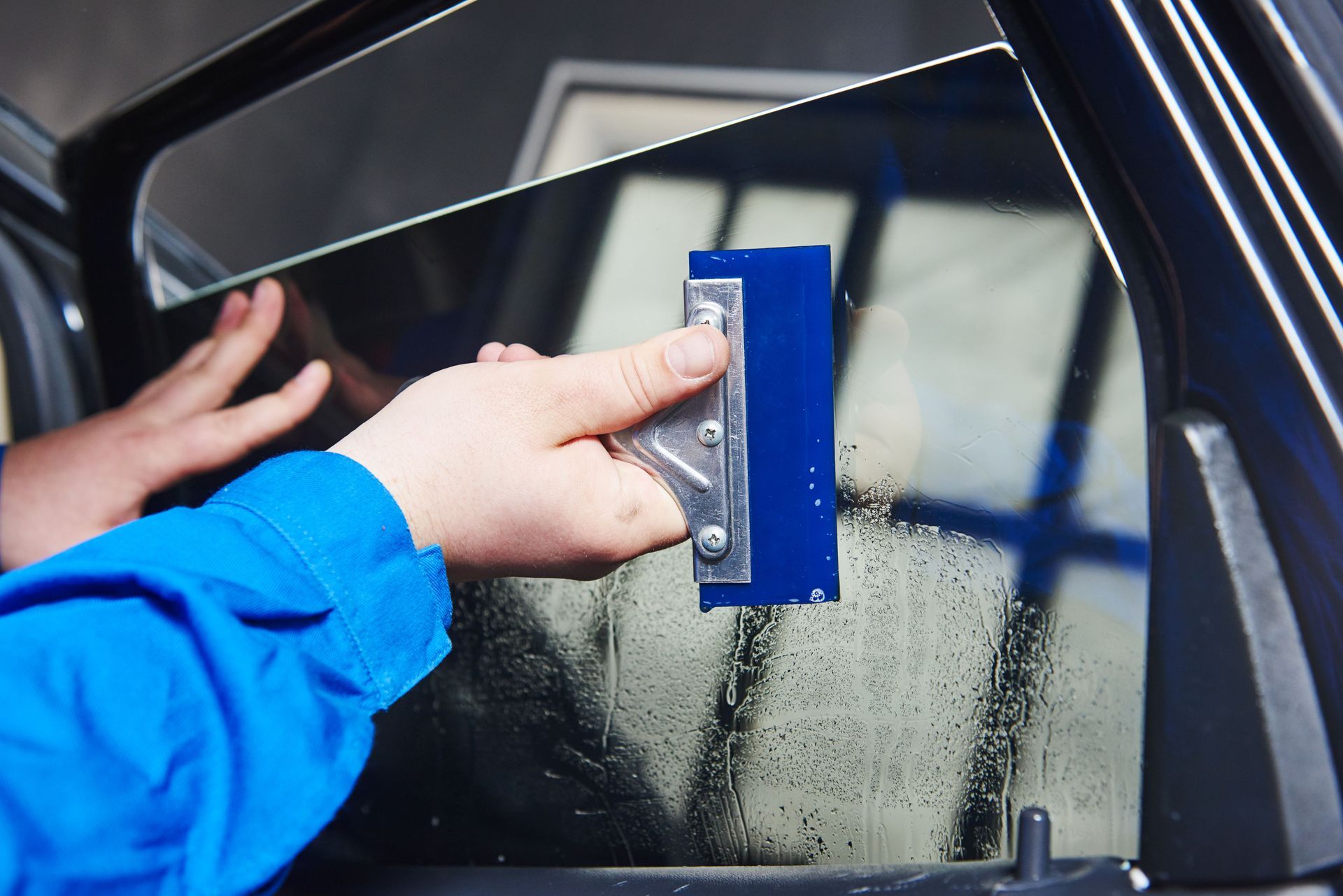
Allowing residual moisture to evaporate naturally ensures the pressure-sensitive adhesive creates an unyielding bond with your auto glass. Professional window film applications rely on water-based mounting solutions that require time to dry completely. Disrupting this curing phase causes localized lifting along glass edges. Utilizing high-quality car window tinting services guarantees long-term durability when combined with proper post-installation care.
Reviewing Wait Recommendations
Waiting three to five days before rolling down freshly treated windows ensures complete adhesive setting across all glass panels. Environmental factors like humidity and ambient temperatures directly dictate how quickly mounting moisture dissipates. According to the International Window Film Association, 80% of solar heat can be blocked by using modern window films, making proper adhesive curing crucial for optimal thermal performance.
Preventing Premature Failures
Rolling down windows during the initial curing phase introduces severe mechanical friction against rubber window seals. This friction creates unsightly air pockets, edge peeling, and permanent alignment shifts along the glass surface. Repairing friction damage often requires complete film removal and costly reapplication.
Installing Control Reminders
Placing temporary painter's tape or reminder stickers over power window switches prevents accidental operation by drivers or passengers. Informing family members and frequent passengers about the curing timeline avoids unintentional window lowerings. Simple preventive measures safeguard your vehicle's upgraded aesthetics.
Avoiding Premature Cleaning
Delaying Solvent Exposure
Refraining from cleaning glass surfaces for at least seven days prevents moisture intrusion along uncured film perimeters. Fresh adhesive remains vulnerable to liquid solvents, which can dissolve mounting compounds before they fully cure. Allowing dust to rest temporarily on glass surfaces causes zero long-term damage.
Mitigating Fluid Infiltration
Wiping down uncured film forces cleaning liquids under unsealed edges, creating cloudy water pockets and permanent bubbling. Trapped chemical residues degrade the interior adhesive layer, causing premature fading and peeling. Waiting for a full cure ensures cleaning solutions stay on the outer surface.
Applying Safe Techniques
Using gentle, ammonia-free glass cleaners alongside soft microfiber towels prevents fine scratches on delicate film topcoats. Avoiding harsh scrub brushes or abrasive paper towels preserves optical clarity over years of use. Correct cleaning habits maintain a sleek, factory-fresh appearance.
Selecting Approved Products
Choosing dedicated "tint-safe" cleaning formulas eliminates risk from harsh solvents and stripping agents. Premium cleaners contain specialized lubricants that lift dirt without degrading UV-blocking protective layers. Investing in proper maintenance products maximizes the lifespan of your auto glass upgrade.
Preventing Physical Contact
Eliminating Direct Pressure
Avoiding physical pressure from sunshades, suction cups, or personal items against fresh film prevents localized adhesive displacement. Premature surface contact creates permanent indentations and distortion marks across newly treated glass. Keeping the interior cabin clutter-free during the curing week ensures uniform film adhesion.
Understanding Abrasion Damage
Scratches caused by sharp objects rupture the protective topcoat of the film, allowing UV rays and heat to penetrate interior cabin spaces. Modern automotive films block harmful radiation effectively, but surface abrasions ruin these protective qualities. Professional car window tinting services deliver superior heat rejection only when the film's topcoat remains intact.
Adjusting Interior Accessories
Removing suction-cup phone mounts, window visors, and hanging air fresheners prevents localized pressure points during the initial week. Decorative items attached directly to glass surfaces dislodge uncured film, causing permanent cosmetic ruins. Temporarily removing accessories guarantees an unblemished curing surface.
Minimizing Surface Friction
Organizing interior cargo storage keeps luggage, sports gear, and tools safely away from side and rear glass panels. Strategic packing eliminates accidental friction damage when turning or stopping abruptly. Simple interior organization prevents costly film repairs.
Moderating Environmental Factors
Regulating Storage Humidity
Parking inside climate-controlled garages shields fresh film from extreme ambient humidity and sudden temperature drops. Excess humidity slows mounting moisture evaporation, extending overall curing timelines significantly. Protecting your vehicle from environmental extremes ensures predictable, even film adhesion.
Managing Parking Environments
Seeking shaded, temperature-stable parking spaces prevents extreme heat buildup that can warp uncured adhesive layers. Extreme heat exposure causes mounting moisture to boil beneath the film, creating permanent steam bubbles. Choosing professional car window tinting services combined with covered parking ensures optimal installation outcomes.
Planning Seasonal Installations
Scheduling installation appointments during mild spring or autumn weather provides ideal ambient conditions for swift, even curing. Severe winter cold slows adhesive bonding, while extreme summer heat accelerates drying too rapidly. Seasonal planning optimizes the physical adhesion of high-performance window films.
Avoiding Thermal Shock
Bypassing rapid temperature fluctuations—such as blasting maximum defrost heat on freezing glass—prevents stress fractures in uncured adhesive layers. Gradual cabin temperature adjustments reduce physical expansion and contraction along the glass surface. Gentle climate control usage protects vulnerable new film.
Refraining From Decals
Preventing Adhesive Conflicts
Applying stickers, parking passes, or vinyl decals over fresh film pulls the underlying material away from the glass surface. Aggressive adhesives on consumer decals chemically clash with the window film's protective topcoat. Allowing several weeks of curing before applying exterior graphics prevents film distortion.
Respecting Curing Windows
Waiting at least three weeks before applying state inspection stickers or toll passes ensures the underlying film achieves maximum bond strength. Fully cured film handles light adhesive applications without lifting off the glass during future removal. Exercising patience preserves the seamless finish of your window treatment.
Evaluating Film Degradation
Attaching unauthorized adhesives to interior glass surfaces causes localized tearing and permanent discoloration upon removal. Damaged areas compromise overall UV defense, allowing solar heat to penetrate the vehicle cabin freely. Highlighting the superior quality of certified car window tinting services requires keeping glass surfaces free from damaging stickers.
Exploring Non-Adhesive Alternatives
Utilizing static-cling graphics or dash-mounted pass holders avoids placing sticky residues on newly tinted glass entirely. Alternative mounting options allow drivers to display necessary permits without risking physical film damage. Choosing non-invasive display methods protects your auto glass investment.
Eliminating Chemical Threats
Identifying Solvent Risks
Avoiding harsh chemical exposure shields delicate window films from rapid discoloration, hazing, and surface degradation. Solvents found in industrial cleaners and bug removers strip protective UV coatings from automotive film. Relying on specialized car window tinting services guarantees durable materials that withstand normal, gentle care routines.
Avoiding Problematic Sprays
Steering clear of aerosol dashboard polishes, harsh air fresheners, and solvent-based glass cleaners prevents airborne chemical drift onto interior windows. Chemical overspray creates stubborn spots that erode the film's protective topcoat over time. Careful application of interior detailing products preserves optical clarity.
Sourcing Safe Products
Selecting non-alcohol, non-ammonia interior detailing products guarantees complete compatibility with high-performance window films. Verifying product labels for tint-safe certifications ensures gentle, effective cleaning without chemical risks. Safe car care habits maintain pristine window transparency indefinitely.
Following strict post-installation care guidelines ensures your vehicle maintains superior heat rejection, glare reduction, and privacy for years to come. Avoiding premature window operation, harsh chemical cleaners, and physical surface contact protects the delicate curing phase of your new window film. Partnering with certified installation specialists guarantees high-grade materials and flawless execution from day one. To schedule your premium installation or consult with local customization experts, contact the team at Shadow Wizard Customs LLC.